The Newsletter of the Western Political Science Association
The Western is the official newsletter of the Western Political Science Association. It serves as a forum for scholarly conversations on political science teaching, research, and political events, focused on, but not limited to, the western region. Contributions to the newsletter should be directed to the editors (Michael Artime, Pacific Lutheran University; Benjamin Gonzalez O'Brien, San Diego State University; and Chase Porter, California Baptist University) at [email protected].
Personal Announcements
Richard Clucas Retires
Congratulations to Richard Clucas on his retirement from Portland State University. We thank Richard for his many years of contributions to teaching, scholarship, mentorship, and service to the profession.
We wish him all the best in this exciting new chapter and celebrate the impact he has had on students, colleagues, and the broader academic community.
Scholarship Updates
Aaron Kushner, Arizona State University
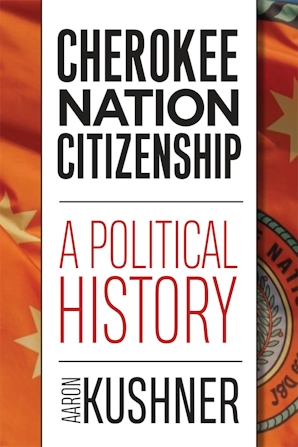
Aaron Kushner's 2025 book, Cherokee Nation Citizenship: A Political History, presents a political development study of how legal citizenship evolved and transformed from 1710 to 2023 in the Cherokee Nation of Oklahoma. This book will be of primary interest to legal and constitutional development scholars for its detailed analysis of how citizenship laws were conceived, negotiated, and enforced over time.
Ron Hayduk's book examines the causes, consequences, and politics of mass migration and growing inequality. This book looks to the root causes, arguing that migration and inequality are two sides of the same coin, resulting from rapacious forms of capitalist accumulation and imperialist interventionism. This book contains a wealth of information and elevates valuable lessons for scholars, policy makers, and organizers interested in understanding these trends and forging equitable and just solutions.
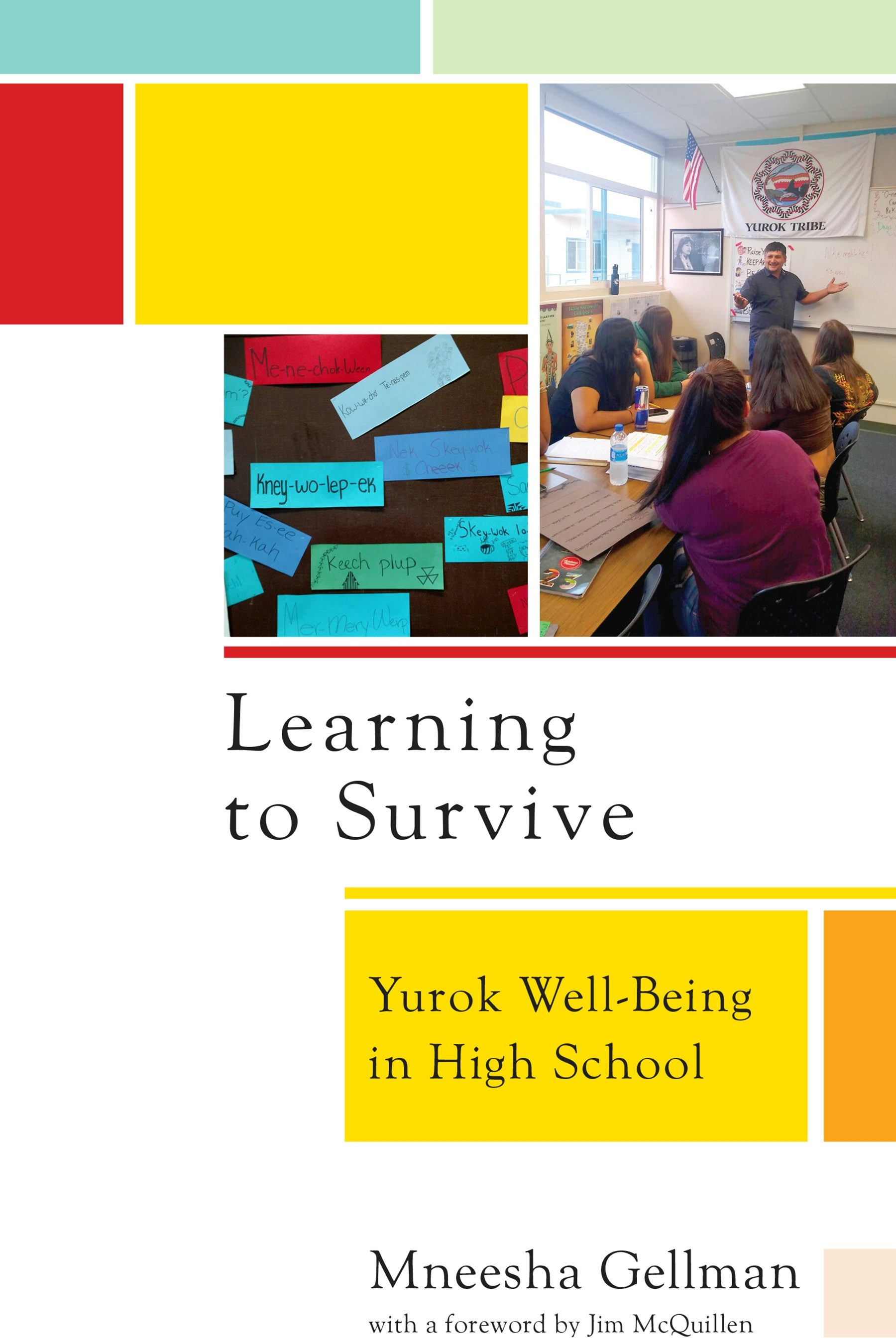
Dr. Mneesha Gellman published Learning to Survive: Yurok Well-being in High School in 2025. She also published, with Sarah Bishop, “Hidden in Plain Sight: The In/Visibility of Human Rights in El Salvador’s Prisons Under the State of Exception” in Latin American Research Review, and “State Inability to Protect: Expert Witnessing in Mexican Asylum Cases” in Latin American Perspectives. With Dr. Elliott Young, she published "Asylum Cooperative Agreements and Third Country Deportations,” reports on Mexico and El Salvador, and an op-ed critiquing the DOS human rights report on El Salvador.
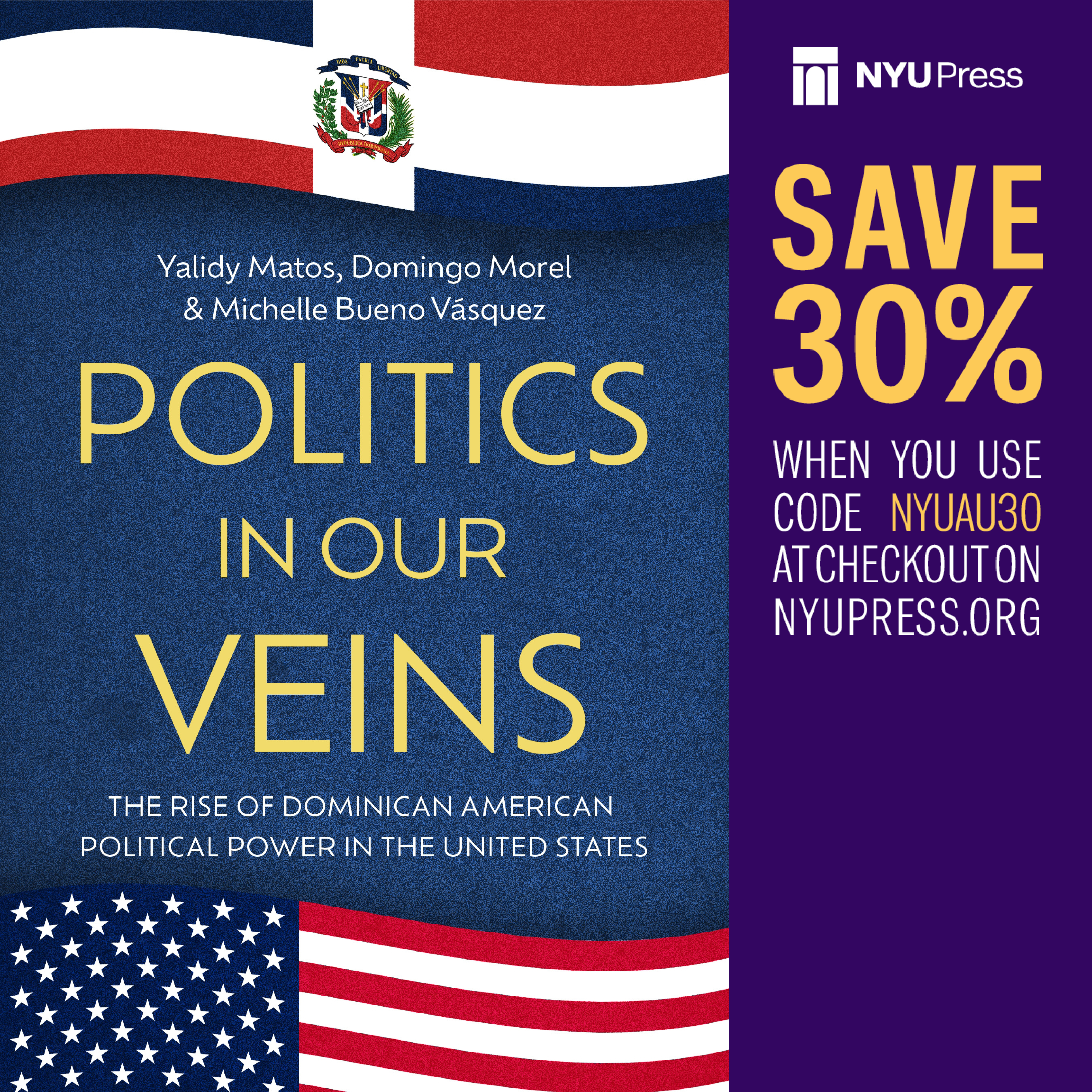
Politics in Our Veins captures the complex journey of how Dominican Americans mobilized to become key progressive players in American politics. In Politics in Our Veins, Yalidy Matos, Domingo Morel and Michelle Bueno Vásquez chart the rise of Dominican American political power across the United States, exploring the myriad factors that have contributed to their political success as citizens, activists, and elected officials. Drawing on original surveys, in-depth interviews with elected officials, and archival data, the authors trace the journey of Dominican American political power.
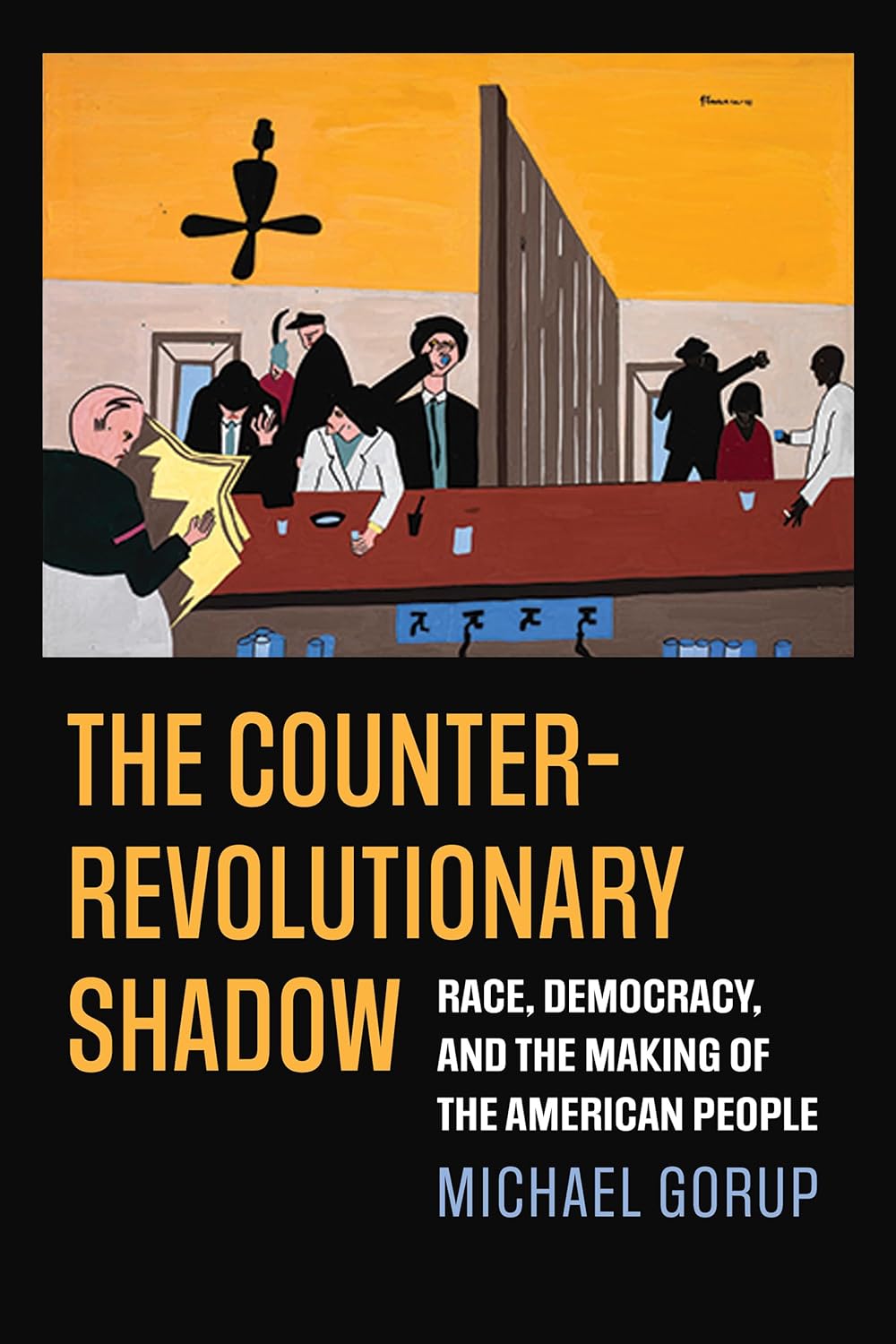
Michael Gorup's first book, The Counterrevolutionary Shadow: Race, Democracy, and the Making of the American People, has recently been published in the American Political Thought book series at the University Press of Kansas. The book offers a bold explanation of how reactionary political movements appeal to racism to reconcile American democracy with antidemocratic practices.
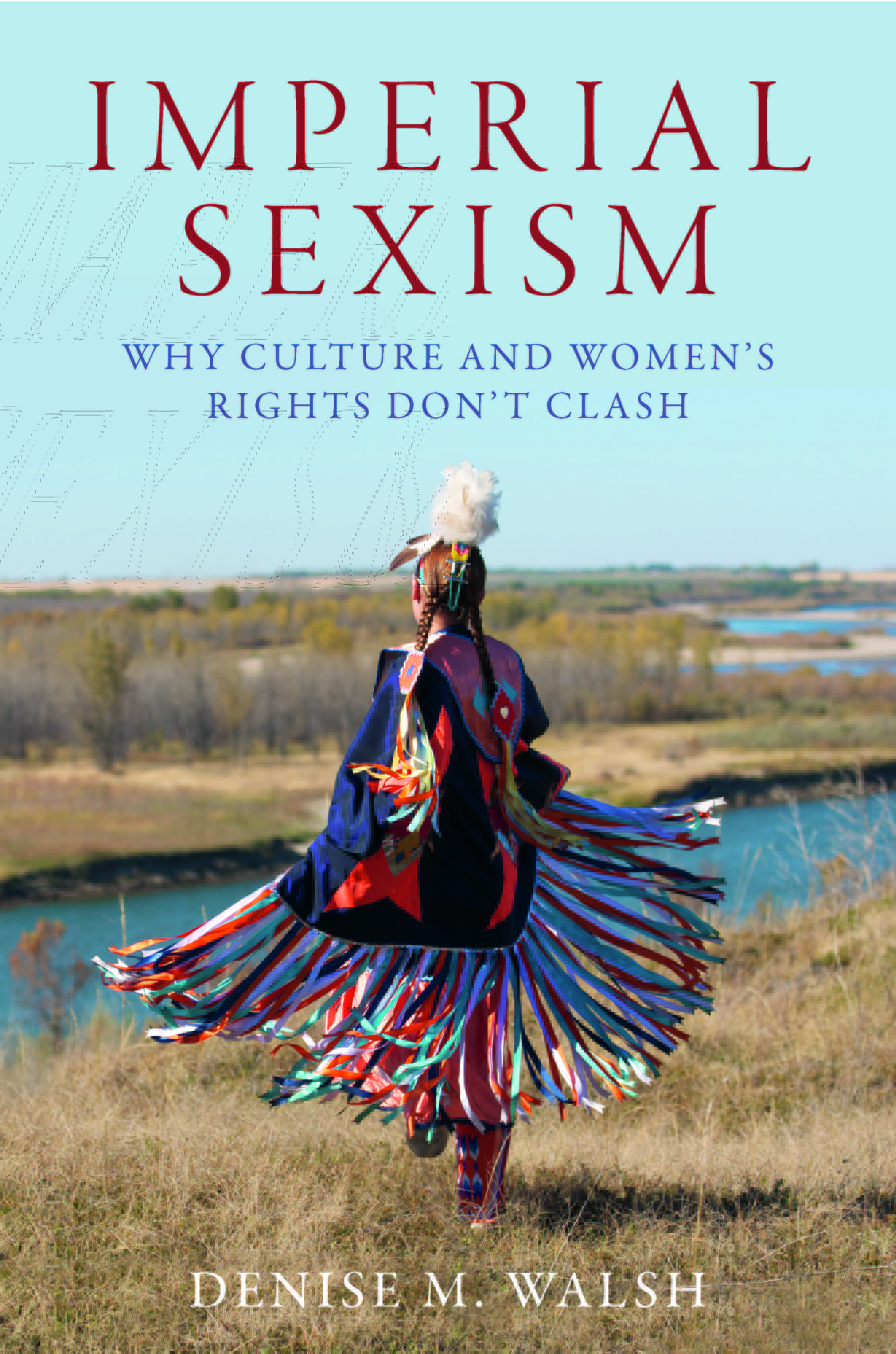
Imperial Sexism: Why Culture and Women's Rights Don't Clash (Oxford University Press, 2025) debunks the presumption that culture and women's rights are inherently at odds. Instead, the problem is imperial sexism, meaning racism and sexism rooted in the colonial era and their compounding harms. Comparing veiling in France, polygyny in South Africa, and the "marrying-out" rule in Canada, the book centers minoritized women who harmonize cultural, religious, and women's rights while revealing why the clash presumption endures and the damage it causes.
The Science of Repair: How People who Believe in Facts Can Build a Better Future offers a transformative account of science’s role in combatting injustice. Melding political theory with ethnographic research, the book shows how the process of investigating injustice can strengthen shared standards for right and wrong, strengthen accountability, and bolster hope that wrongs will be redressed. For researchers, The Science of Repair offers guidance for conducting reparative science, an inclusive process of investigation that aims to foster more functional moral relations and a more just world.
Jason E. Whitehead, California State University, Long Beach
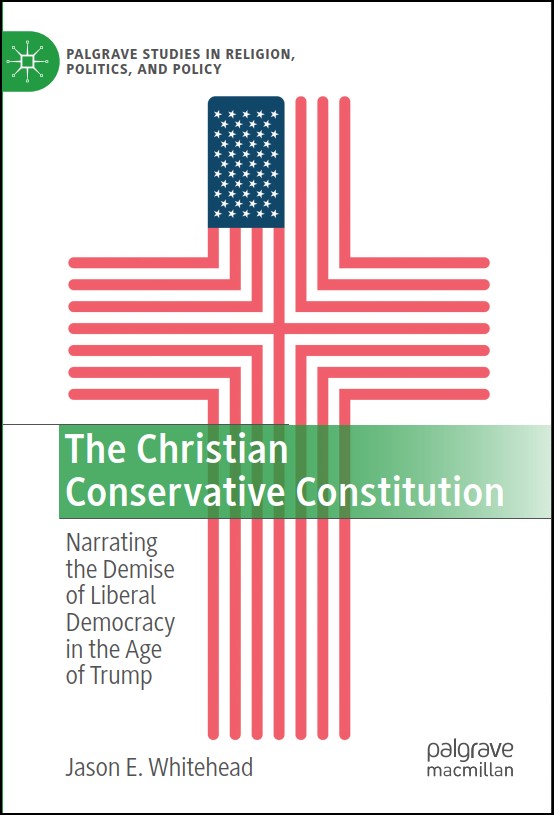
Dr. Jason E. Whitehead recently published "The Christian Conservative Constitution: Narrating the Demise of Liberal Democracy in the Age of Trump (Palgrave Macmillan, May 2026). The book uses extensive ethnographic fieldwork to examine how Christian conservative constitutional narratives shifted toward anti-liberal, authoritarian themes between Obergefell v. Hodges (2015) and Dobbs v. Jackson Women's Health Organization (2022). It traces how these narratives built support for Donald Trump, reshaped the U.S. Supreme Court, and inspired MAGA challenges to liberal democracy in the United States.
Recently Published by Michael Haas, University of Hawai'i
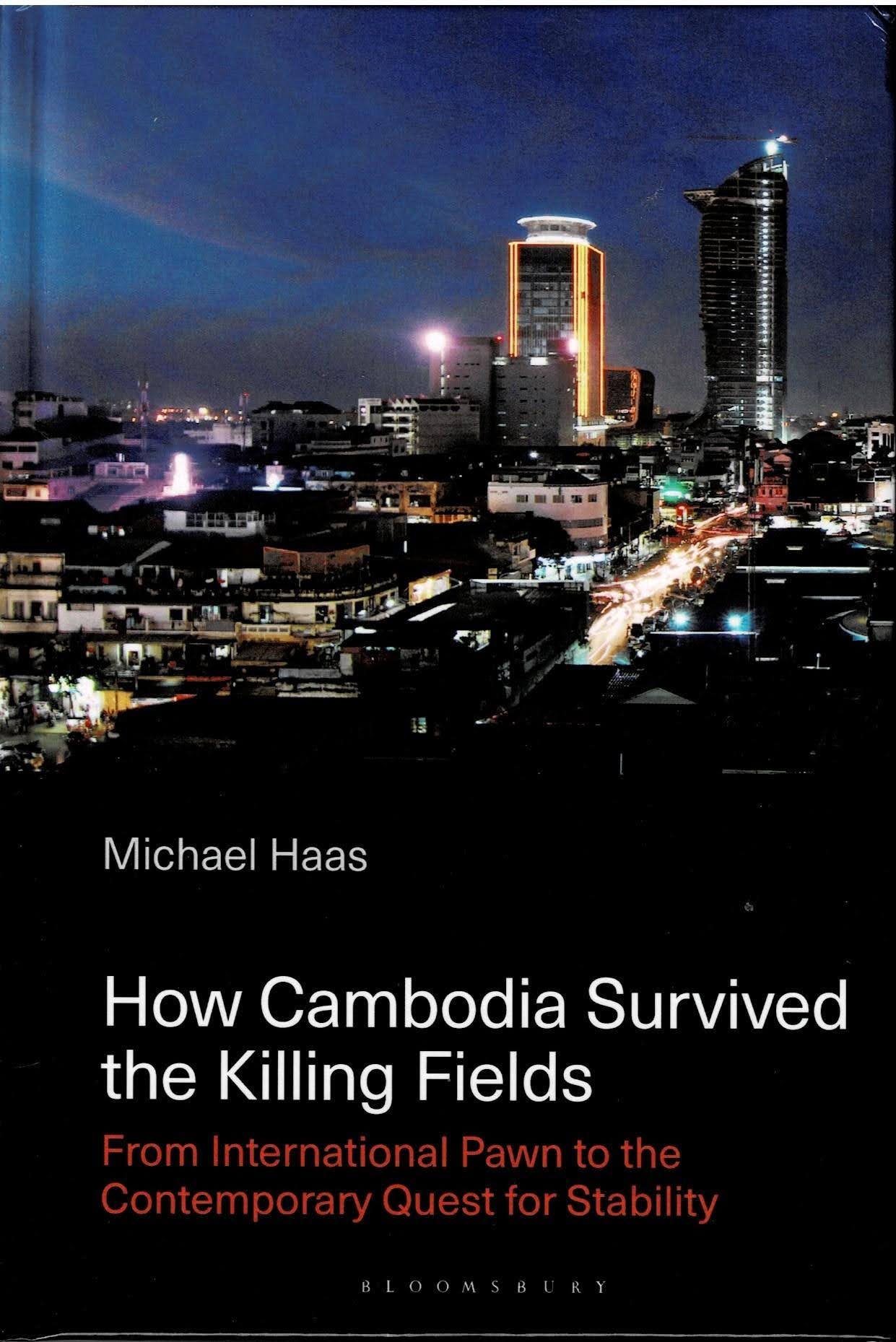
How Cambodia Survived the Killing Fields: From International Pawn to the Contemporary Quest for Stability
Weaving a critique of major power intervention into political history, this book provides a comprehensive overview of Cambodia from the pre-independence era to the present. Since gaining its national independence in 1953, Cambodia has been treated as a pawn by more powerful countries. China, Vietnam, the United Nations, and especially the United States have played a role in shaping Cambodia’s history. Some countries propped up the Khmer Rouge regime, thereby restricting its economic opportunities. Michael Haas has been deeply and personally involved in many aspects of the recent history of the country, and his research uncovers details of twentieth century U.S. realpolitik, such as President Lyndon Johnson’s secret indiscriminate bombing of Cambodia, U.S. funding of the Khmer Rouge in the 1980s, opposition to diplomacy known as the Cambodia peace process, and Washington’s surrender of economic control to China since the 1990s. In an era of increasing great power competition in Southeast Asia, Cambodia is a country long overdue for a comprehensive social science reassessment, which the present volume provides.
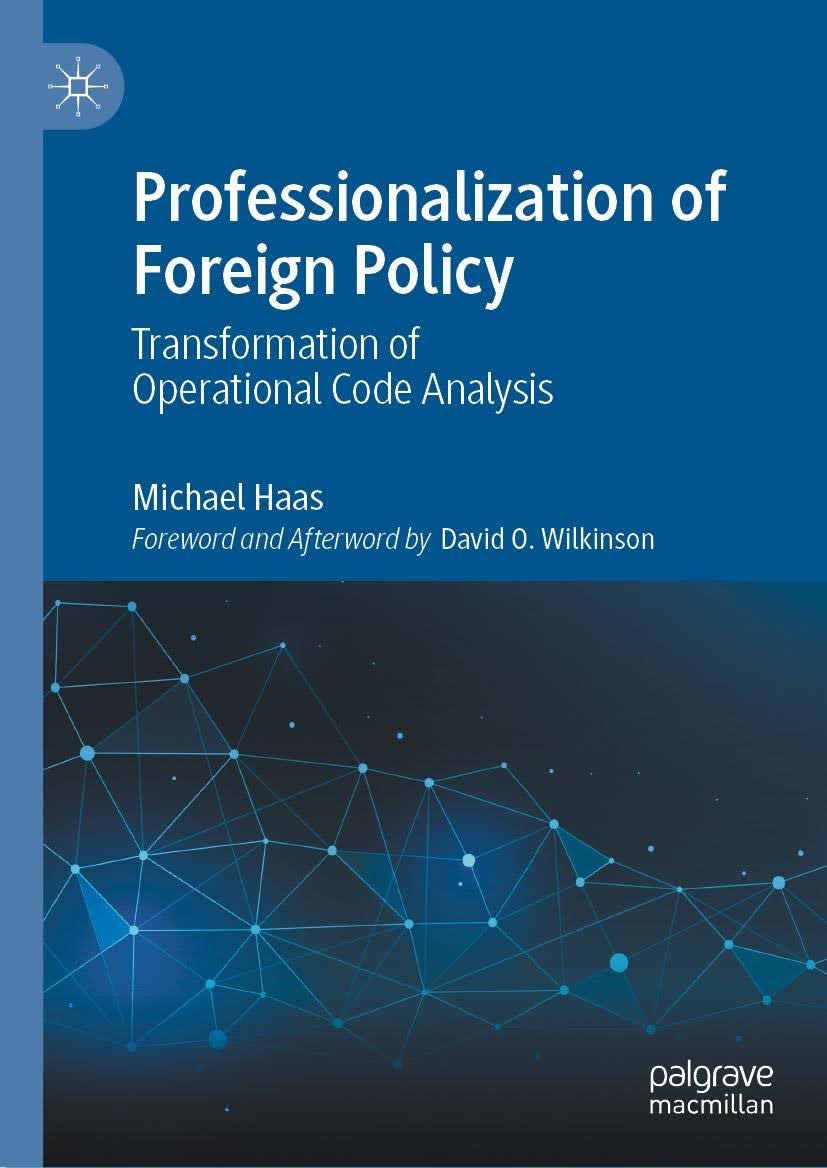
Professionalization of Foreign Policy: Transformation of Operational Code Analysis
Political scientist Michael Haas critiques previous efforts to understand why foreign policy blunders occur, proving that bad decisions most often occur when country X has different cultural norms from country Y.
The term “operational code” is redefined as weights given to standard evaluation criteria (power, economics, prestige, feasibility) and their subcriteria, based on 15 major social science paradigms. When staff evaluate every policy option by the 15 major subcriteria, they can then pool their results in Decision Pad, a computer program that calculates the desirability of each option from high to low, review their joint proposals, and advise presidents and prime ministers based on a much more comprehensive review of criteria and options, limiting mistakes.
Too many blunders in foreign policy are responsible for the loss of lives. Yet decision-making remains highly unprofessional, often because political leaders and their advisers push ideological agendas rather than systematically evaluating alternatives on the basis of the very criteria that social scientists have developed as major paradigms. When leaders require staff to engage in a professional process, something several scholars have recently sought, decisions will improve. Foreign policy analysis can develop beyond theoretical and empirical studies to become an applied social science.
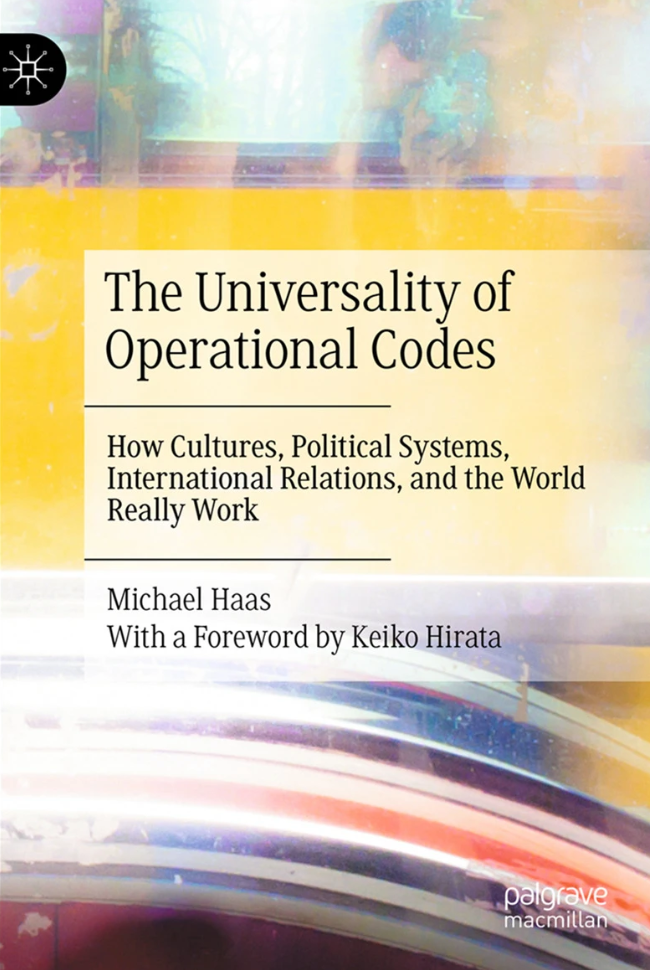
The Universality of Operational Codes: How Cultures, Political Systems, International Relations, and the World Really Work
Political scientist Michael Haas provides a monumental analysis of how operational codes work, why they are present universally, and how they consist of rules of behavior, ethical principles, and methods of dealing with violations at the individual, cultural, national, regional, international, and global levels of existence.
Jessica Croteau, Haverford College
Jessica's article, “Toxic Immortality: Rethinking Decline and Plastics with Lucretius,” has been published in New Political Science. The piece won the 2024 William E. Connolly Award for “the best political theory paper in contemporary democratic thought” at the Western Political Science Association. The article asks how environmental political thought changes when persistence, durability, and abundance—not only loss or scarcity—are understood as sources of ecological harm, and argues for an ethic attentive to decline, decomposition, and proper dissolution.
Dr. Vanessa Fry at Boise State University's Idaho Policy Institute (IPI) has been awarded a grant from the MIT Election Data + Science Lab to support practice-oriented research aimed at improving voter registration and list maintenance. In partnership with the Idaho Secretary of State’s Office, the project will develop data-driven tools and strategies to strengthen election administration and enhance voter list accuracy. The award recognizes Dr. Fry’s continued leadership in applied, community-engaged research that supports effective governance and public service.
Alicia Steinmetz, Florida International University
Alicia Steinmetz and Matt Shafer recently published "Marx and the Problem of Advertising" in Theory & Event. The article interrogates Karl Marx's curious silence about the topic of advertising and argues that Marx’s own concepts can in fact clarify fundamental aspects of how advertising functions in our time, as in his—but only if those concepts are turned against his own apparent view about how advertising should be understood.